Biohazard Cleanup
Blood, sewage, sharps and other biohazards removed and disinfected by cleanup crews in protective gear.
Learn more →North Carolina · Yancey County
Unsure whether a mess counts as a biohazard in Burnsville, NC? Call (877) 812-4220 and ask. Blood, human waste, decomposition, sharps and sewage all get full protective gear and hospital-grade disinfection.
If anyone is in danger, call 911 first. For a suicide crisis, call or text 988.
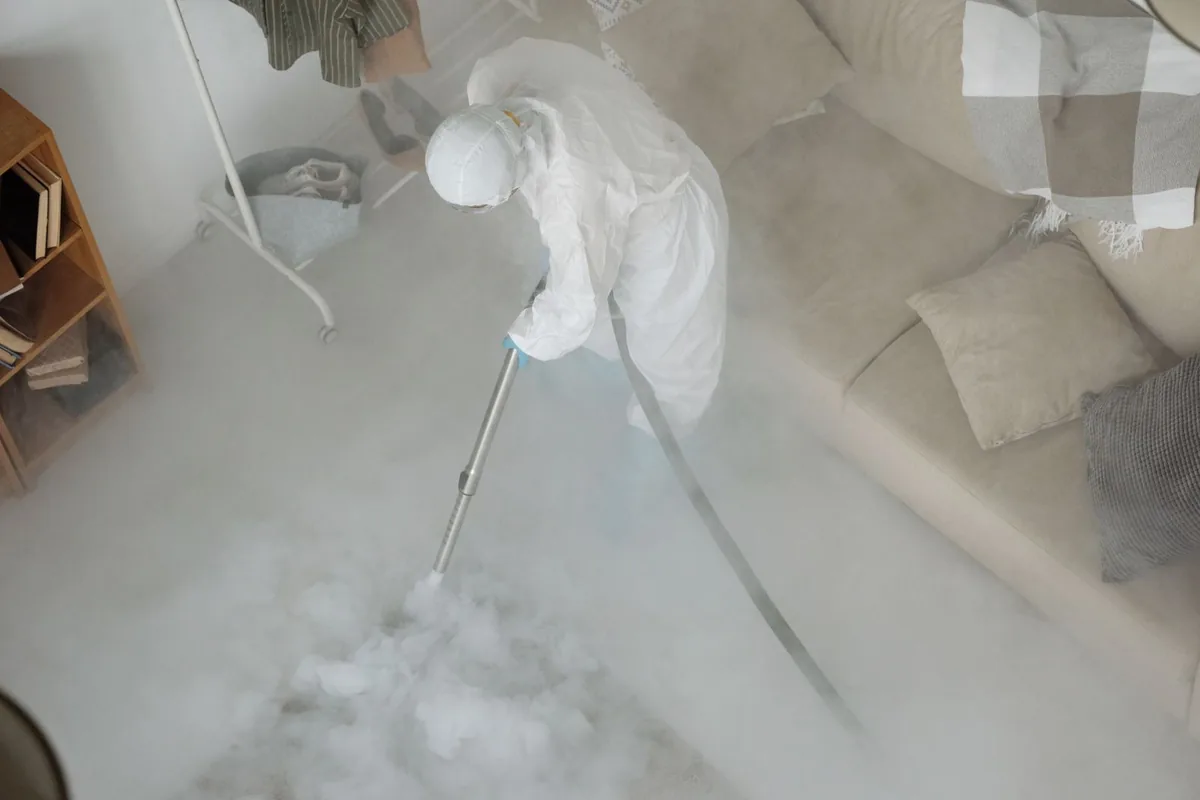
Some messes cannot be handled with a mop and household cleaner. Blood, bodily fluids and decomposition soak into porous materials and can carry disease, which is why Burnsville property owners call Burnsville Biohazard Cleanup Help for biohazard cleaning.
Discretion is part of the work. Vehicles are unmarked, the crew keeps its voice down and nothing about the job is shared with neighbors. Coverage includes Burnsville, Burnsville and the surrounding area of Yancey County.
With roughly 2,082 residents, Burnsville is a small community, and biohazard cleanup is available here the same way it is in a big city. Renters live in about 51% of homes in Burnsville, so landlords and property managers often need to get cleanup done and sort out who pays with tenants and insurers.
Professional biohazard cleanup, remediation and decontamination services follow the OSHA Bloodborne Pathogens Standard (29 CFR 1910.1030). Technicians wear personal protective equipment (PPE), including respirators, gloves and disposable suits, and treat all blood and bodily fluids as potentially infectious materials that can carry hepatitis B, hepatitis C and HIV.
Sealing, cleaning, disinfecting and ventilating work together. Plastic barriers and HEPA air scrubbers hold contaminants in place, EPA-registered disinfectants do the germ kill, and hydroxyl or ozone treatment clears the odor that is left.
Choose the situation that fits and get help with any biohazard cleaning service below, for homes, rentals, offices and vehicles in Burnsville.
Blood, sewage, sharps and other biohazards removed and disinfected by cleanup crews in protective gear.
Learn more →Blood, bodily fluids and residue removed and disinfected after law enforcement releases the scene.
Learn more →Discreet trauma cleaning that covers waste disposal, odor removal and records for insurers.
Learn more →Cleaning, disinfection and odor removal after a death that was not found right away.
Learn more →Professional suicide cleaning services that spare relatives and landlords from the hardest part.
Learn more →Respectful homicide cleaning that removes blood, bodily fluids and odor after investigators release the scene.
Learn more →Blood in cars, vans and rideshare vehicles cleaned from seats, mats and panels, then disinfected.
Learn more →Soaked carpet, mattresses and furniture removed, and affected surfaces sanitized after a fluid release.
Learn more →Human feces and urine cleanup in homes, rentals and workplaces, with disinfection and odor treatment.
Learn more →Thorough deodorizing after a death, with the air and structure checked room by room.
Learn more →Room-by-room help for families, landlords and residents dealing with a hoarded home.
Learn more →Hoarding junk removal that protects valuables and papers before anything leaves the home.
Learn more →Animal waste removal, disinfecting and odor treatment for homes left behind after animal hoarding.
Learn more →Extreme cleaning for unsanitary homes, done with protective gear and without judgment.
Learn more →Sewage restoration that clears contamination and odor so repairs can safely begin.
Learn more →Infectious disease disinfection for homes and businesses, using EPA-registered products matched to the germ.
Learn more →Cleaning first, disinfecting second: a careful process that targets the germs, not only the stain.
Learn more →Local biohazard disposal services, from one sharps container to rooms of contaminated medical supplies.
Learn more →Sharps cleanup with protective gear, puncture-resistant containers and proper medical waste disposal.
Learn more →Cleanup after police release: items, residue and soiled materials handled without judgment.
Learn more →Meth lab cleanup: residue testing, removal of contaminated materials and decontamination of the property.
Learn more →Decontamination for rentals, motels, offices and vehicles after drug incidents and responder visits.
Learn more →Safe removal of solvents, fuels, pesticides, mercury and unlabeled containers from homes and businesses.
Learn more →Hazmat cleaning for pavement, soil, buildings and equipment, with protective gear and lawful waste disposal.
Learn more →Pepper spray cleanup that lifts oily residue from surfaces without spreading it to clean rooms.
Learn more →Rodent infestation cleanup after pest control, with odor removal and sanitizing of the affected area.
Learn more →Histoplasmosis-aware cleanup with respirators, HEPA filtration and sealed disposal of guano.
Learn more →Gentle, private cleanup after a pet or wild animal has died at your home or business.
Learn more →Biohazard car cleaning for blood, vomit and body fluids, with disinfection and safe waste disposal.
Learn more →Injury scene cleaners remove soaked materials, treat odor and prepare records for employers and insurers.
Learn more →Discreet after-hours service with unmarked vehicles, sealed work areas and regulated waste hauling.
Learn more →Careful clearing of a home after a death, with biohazard cleanup first when it is needed.
Learn more →The first conversation covers what happened, who owns the property and whether an insurer or landlord is involved. Nothing has to be decided on the spot.
Doors are closed off, air handling is controlled and the work zone is marked. Family members, pets and neighbors stay clear.
Soaked materials are removed, then floors, walls, furniture and fixtures are cleaned and treated with hospital-grade disinfectant.
Odor and surface checks confirm the result, then biohazard waste is removed from the property under medical waste rules.
A final inspection, with odor and surface checks where they help, confirms the area is safe before the cleanup is called complete.
OSHA bloodborne pathogen protocols, full PPE, EPA-registered disinfectants and lawful biohazard waste disposal on every job.
Hoarded homes, neglected rentals and difficult situations are treated with dignity. The only goal is a safe, clean space again.
Cleanup technicians know families may be grieving. They keep conversations short, kind and free of judgment, and they treat belongings with care.
Biohazard cleanup in Burnsville, NC typically costs $500 to $25,000, depending on the type of biohazard, the size of the affected area and how far fluids soaked into porous materials.
Most residential jobs cost $3,000 to $5,000 (Fixr). Insurance changes who pays but not how the work is done. Homeowners and renters policies often respond to sudden events such as a death, a crime or an accident, and you get the photos and notes an adjuster asks for.
| Type of job | Typical range |
|---|---|
| Blood spill cleanup, small area | $500 - $2,500 |
| Crime scene cleanup, most homes | $1,500 - $7,500 |
| Unattended death cleanup | $2,000 - $7,000 |
| Suicide cleanup | $1,500 - $5,500 |
| Sewage cleanup, most homes | $2,000 - $10,000 |
| Hoarding cleanup, level 3 home | $2,000 - $5,000 |
| Meth lab cleanup, typical | $15,000 - $20,000 |
Estimates only, not a quote. Sources: Fixr, Yelp Costs, BioCleaners Directory, PushLeads, Dropcurb, Bob Vila and cleanup company cost guides. Call (877) 812-4220 to talk through the job.
Homes, churches and businesses may need infectious disease disinfection, needle and sharps cleanup, or meth lab and fentanyl decontamination after a property is released.
With a vacancy rate of 22% in Burnsville, empty buildings can collect animal waste, drug paraphernalia and storm damage that nobody sees until later.
Families should never have to clean up after a suicide. Discreet suicide cleanup removes all traces with care and respect. Crisis support is available any time at 988.
An average July high of 83 degrees in Burnsville speeds up decomposition after a death. The sooner the scene is released and cleaned, the less the odor and fluids spread.
Cars, trucks and work vehicles can carry biohazards after an accident, assault or medical event. Vehicle cleanup removes contaminated upholstery and disinfects every surface and vent.
Attics, barns and sheds can hold droppings, guano and carcasses that carry disease. Careful removal and disinfection protect the people who go back in.
Not every biohazard looks the same or carries the same risk. A cleanup team sorts the problem by type and by size, and that sorting decides the protective gear, the method and the budget.
It varies by the germ. Hepatitis B can survive on surfaces for at least seven days, and other pathogens last for different periods. Because nobody can tell by looking, all blood is treated as infectious until it has been properly disinfected.
Funeral homes and the authorities remove the person. Biohazard cleaners, also called crime scene cleaners or trauma cleanup crews, clean the property afterwards, including fluids, affected materials and odor.
A few drops from a small cut can sometimes be cleaned up by a careful person wearing gloves, with disinfectant on hard surfaces. Larger amounts, anything on porous materials, or fluids from another person are best left to a cleanup crew.
It is not safe. Household cleaners do not reach blood and fluids that soak into carpet, padding, drywall and subfloor, and there are rules for disposing of biohazardous waste. A professional biohazard cleaner uses PPE, EPA-registered disinfectants and regulated medical waste disposal.
Only what cannot be made safe. Porous items such as carpet, padding, mattresses and upholstered furniture that soaked up fluids are usually removed. Hard surfaces and many belongings can be cleaned and disinfected instead.
OSHA's Bloodborne Pathogens Standard, 29 CFR 1910.1030, sets rules for protective equipment, handling, training and disposal when workers face blood or other potentially infectious materials. Biohazard cleanup crews follow it on every job.
The census figure for older adults living alone in Burnsville is 48%, above the North Carolina average. When someone lives alone, a death can go unnoticed for days, and that leads to unattended death cleanup.
It can. Yancey County has a Relatively Low river flood risk rating from FEMA. Wherever floodwater or a sewer backup enters a home, the water is treated as Category 3 and needs full cleaning and disinfection.
The service area reaches from Burnsville to Burnsville, Spruce Pine and Mars Hill. Whichever town the property is in, the process and the protective standards stay the same.
No judgment and no pressure, just a clear plan for the property.
Call (877) 812-4220